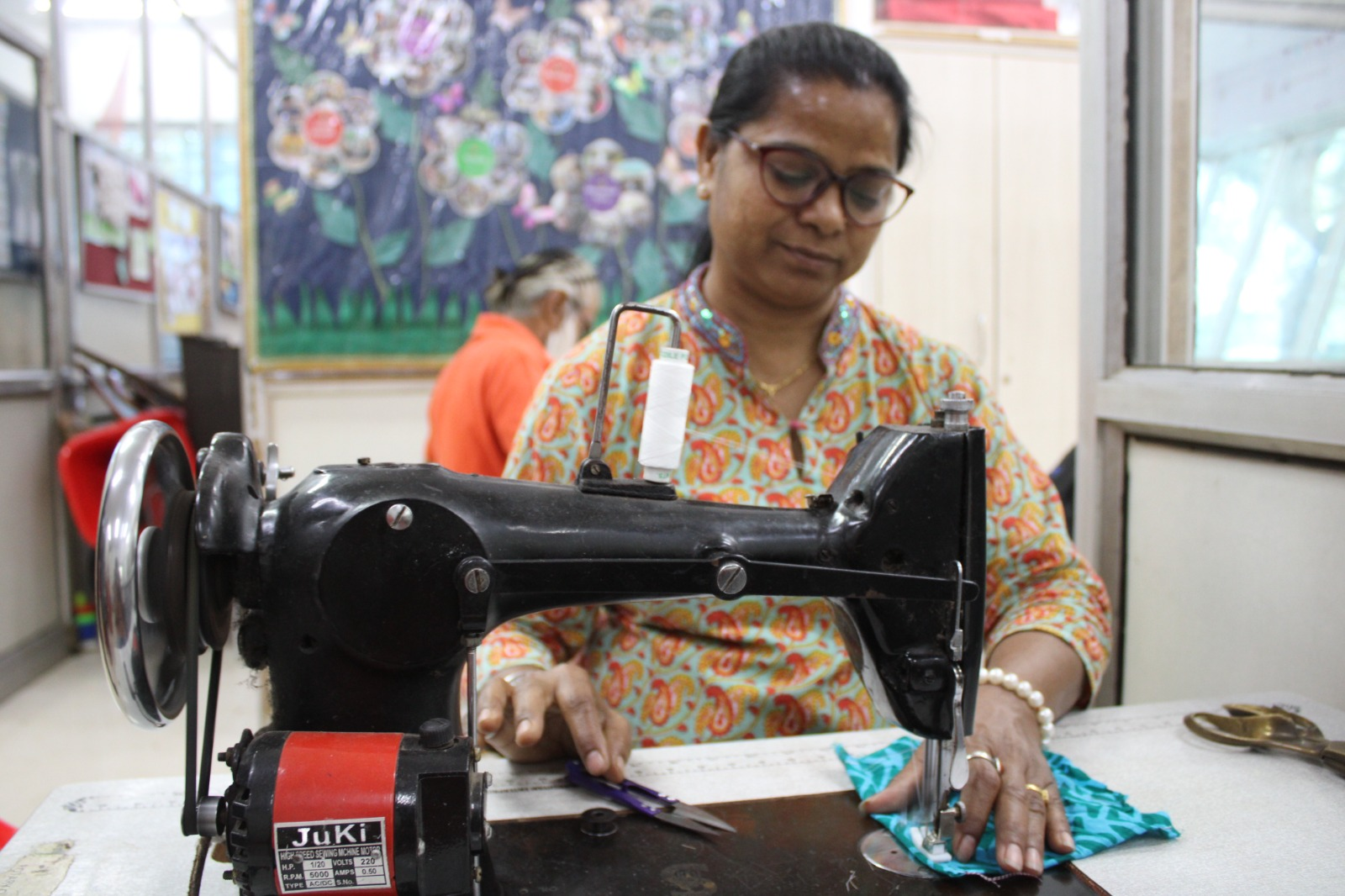
Header Image

Swanama Project


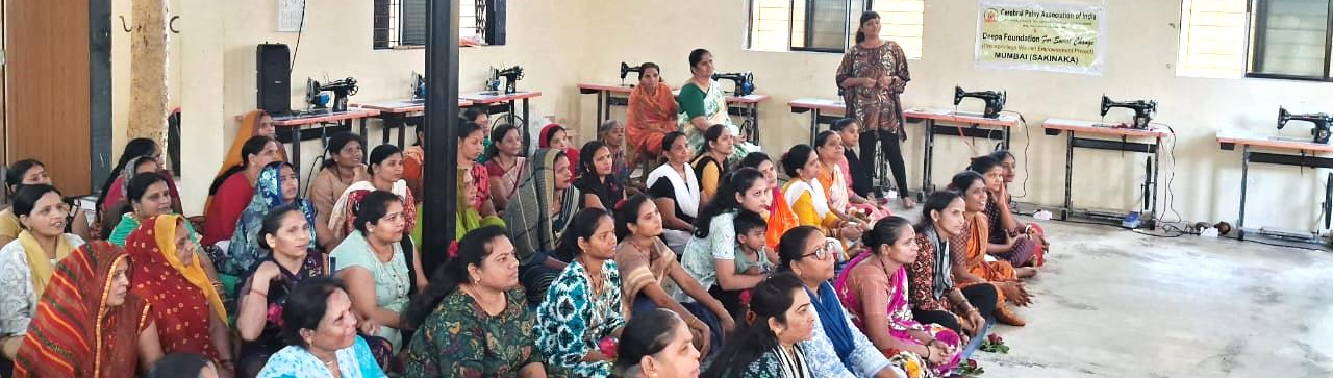
  • Women Empowerment initiative started in 2017.
  • Started for underprivileged women, Girl PDAs and Mother's of special children undergoing therapy and education at the CPAI center
  • Provides training in various life skills for self-sufficiency.
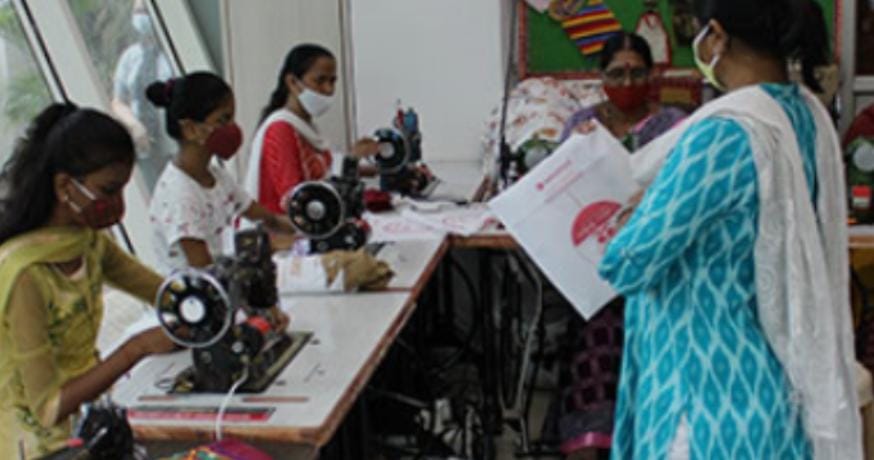
  • Offers work assignments including bag stitching, chocolate making, mask stitching, crocheting, and handicrafts.
  • Continuously sources work for participants. - Enables women to work either at centers or from home.
Descriptive Image Alt


Descriptive Image Alt

Community Engagement & Product

  • Parents of students actively involved in producing various products.
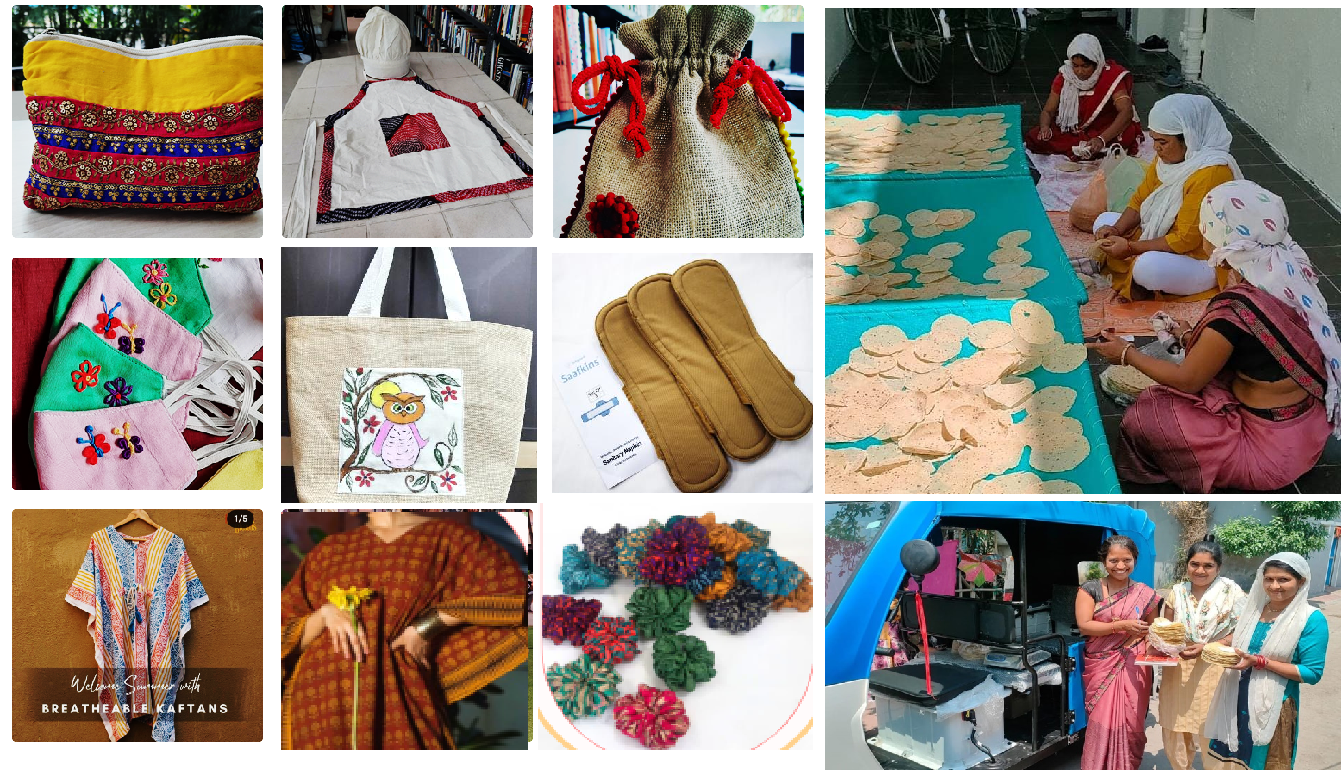
  • Products include bags, kaftans, crunchies, and "safkins" (sanitary napkins).
  • At the Bhopal Center, the Swanama Project manufactures Papad and distributes it using electric autos owned and driven by women.
  • Distribution reaches rural populations, including deaf, blind, and tribal individuals.
  • Focuses on empowering communities and fostering self-sufficiency and sustainability.


Response to COVID-19

  • Adapted operations to support pandemic efforts.
  • Produced masks, PPE kits, and other safety and hygiene products.
  • Provided a means for earning livelihoods during a time of economic hardship.
Descriptive Image Alt


Descriptive Image Alt

AWARENESS PROGRAMS

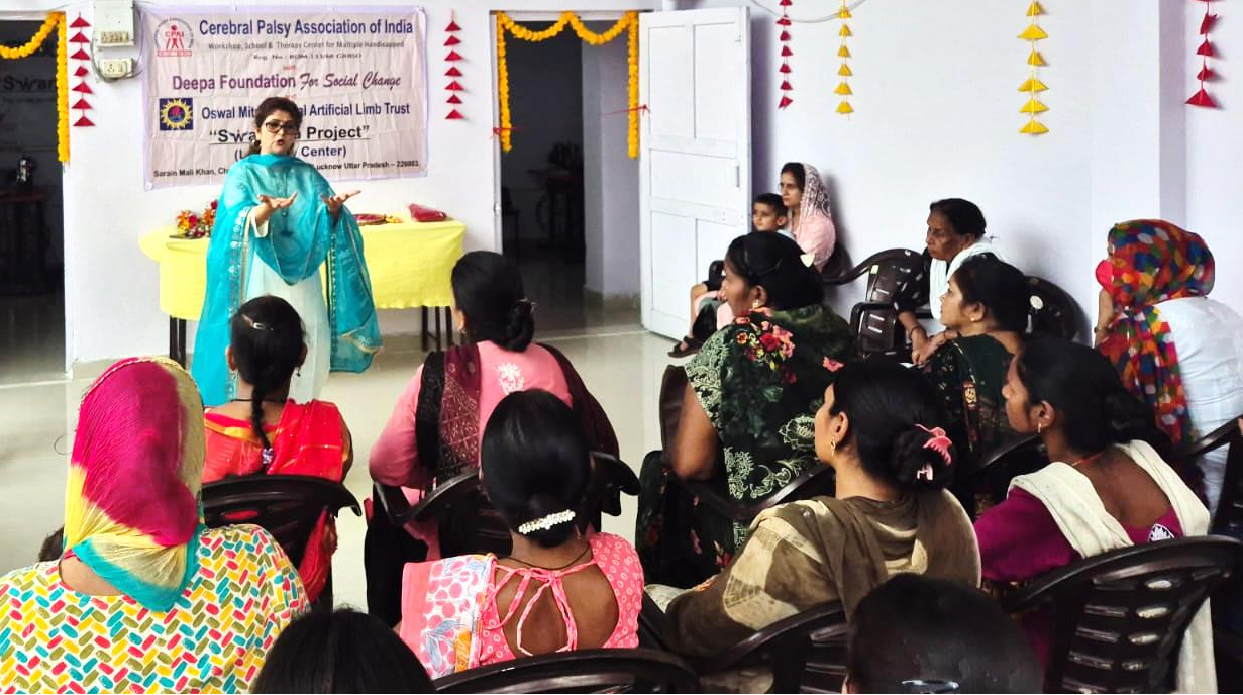
  • Digital & Financial literacy awareness programs
  • Awareness program on Domestic Violence & Menstrual Hygiene for Hearing Impaired women in association with TEACHH
  • Training of Super Didi - Leadership Program


Impact and Outreach

  • Helped numerous women become independent and mini-entrepreneurs.
  • Participants encourage others from their communities to join.
  • Increased penetration in nearby communities.
Descriptive Image Alt

Empowered – 3,500+ Women

SAFKIN PROJECT

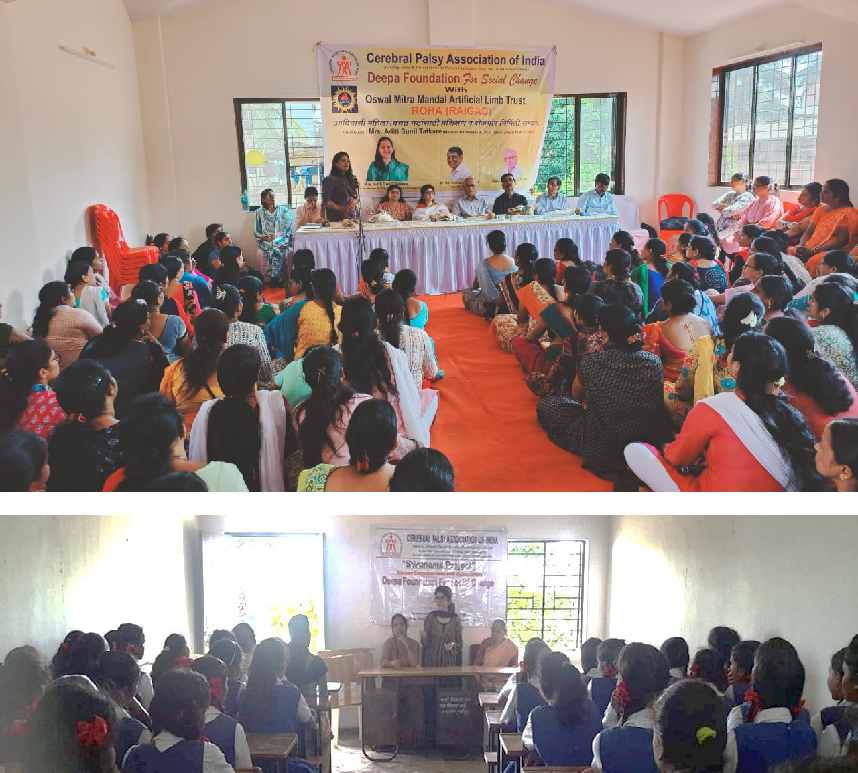
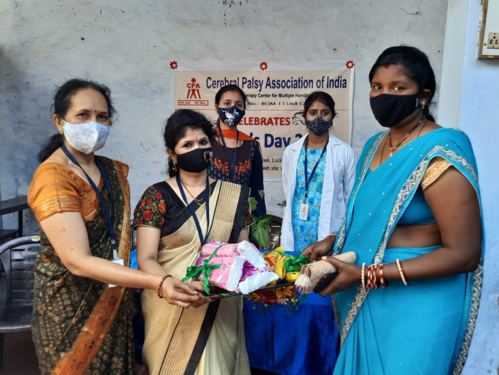
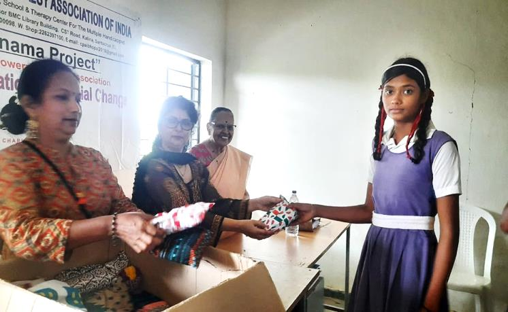
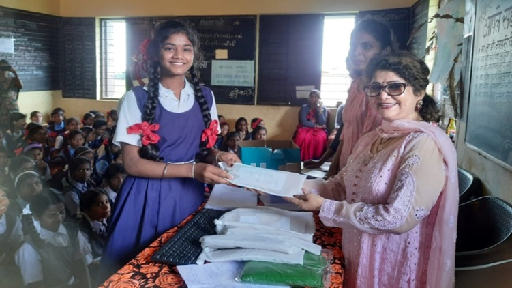
CPAI, Swanama project collaborated with Srujna Trust and Deepa Foundation for upliftment of women by conducting awareness sessions on menstrual hygiene and distribution of Saafkins to the girls who live in tribal areas. The project aims to create an ecosystem wherein women in the textile unit produce reusable sanitary napkins (with patent technology of being bacteria and odour free) and sell them in their community at a low cost. CPAI also distributes the same in low-income communities where women cannot afford the same. Distribution reaches rural populations, including deaf, blind, and tribal individuals.

Descriptive Alt Text

MACHINES INSTALLED

Image 1 Image 2 Image 3 Image 4

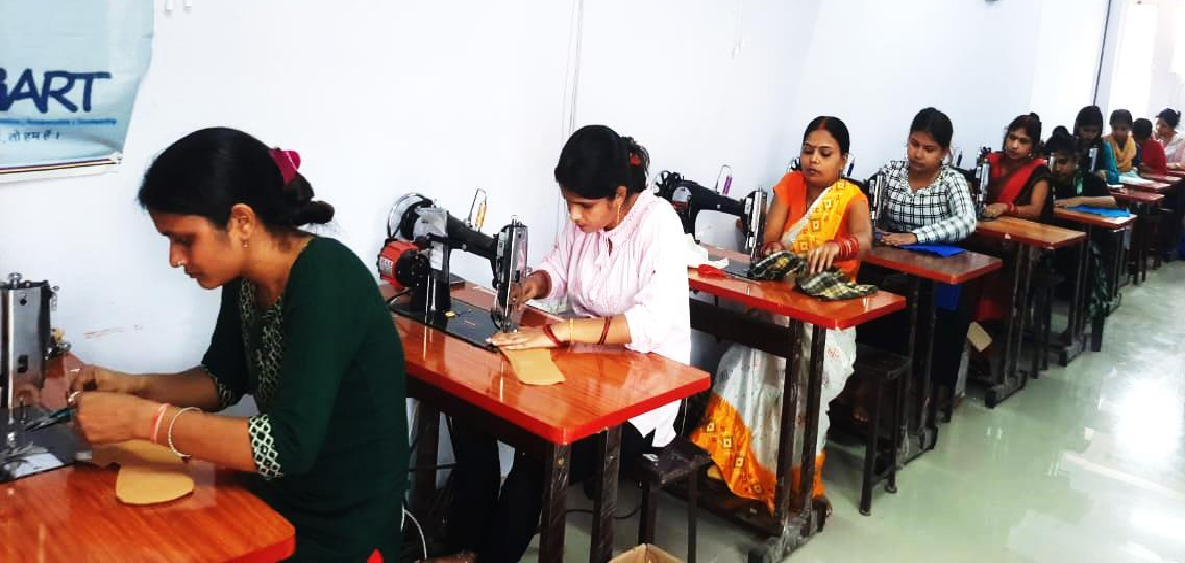
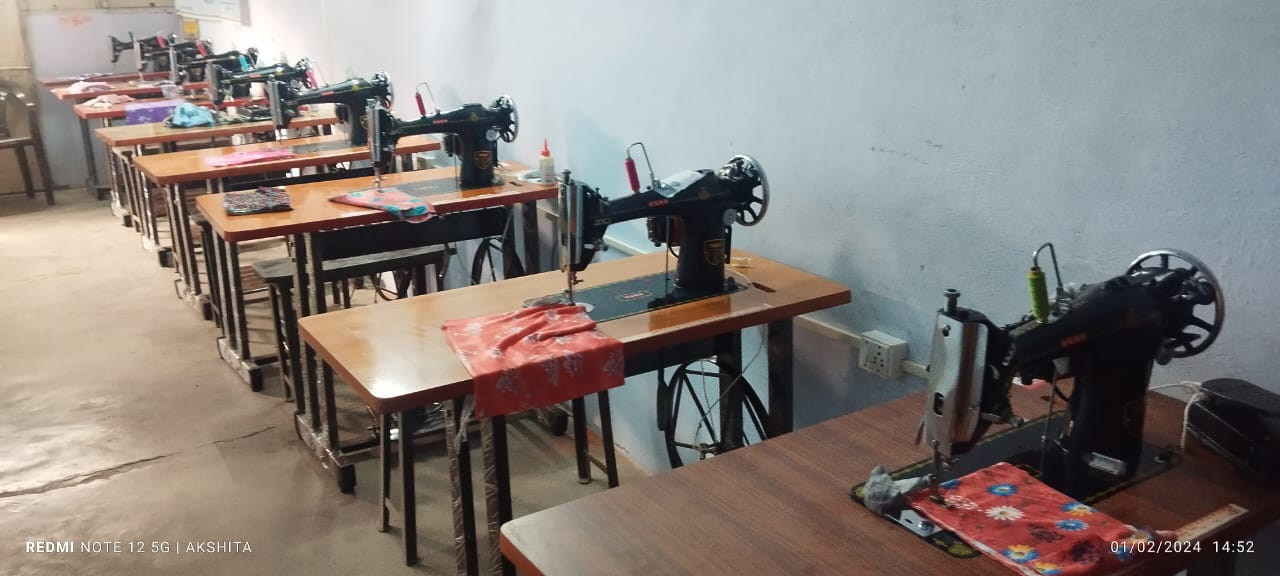
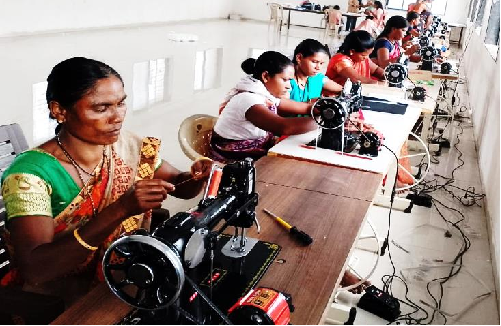
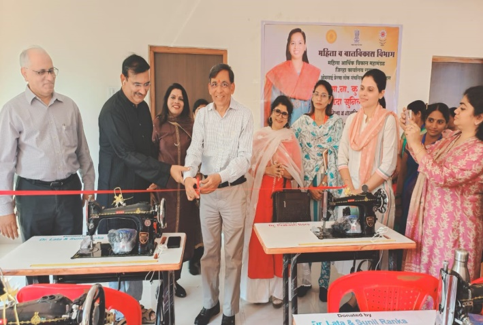
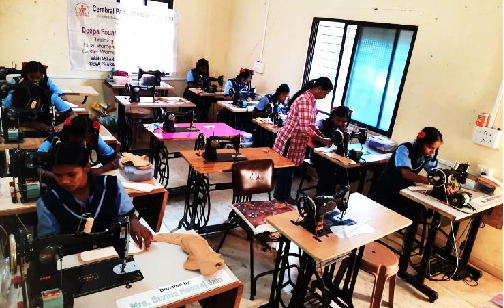
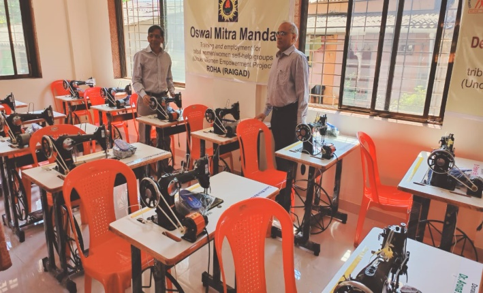
Established livelihood training centers at different Locations & have trained women to produce safkins

10 Machines installed in KARANJALI, Nashik tribal area

15 Machines installed in DABHADI, Nashik tribal area

10 Machines installed in HARSUL, Nashik tribal area

21 Machines installed in ROHA, tribal area

31 Machines installed in SHRIVARDHAN Nashik tribal area

15 Machines installed in Saki Naka, Mumbai

30 Machines installed in Lucknow

10 MACHINES INSTALLED IN BHOPAL

SAFKIN KITS DISTRIBUTION

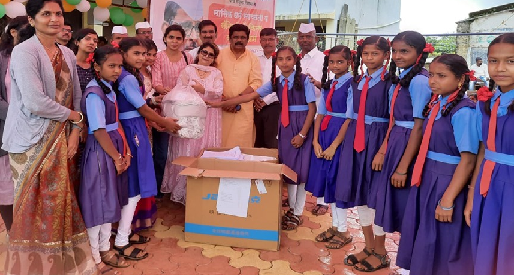
Distributed 110 Safkin Kits in Bahre, Nashik Tribal remote area surrounded by Sayadri Hills in Surgana Taluka of Nashik in presence of Honorable Mr. Narhari Zirwal, Deputy Speaker of Maharashtra Legislative Assembly

  • Distributed 500 Safkin Kits in BHANVAD DINDORI NASIK Tribal remote area
  • Distributed 650 Safkin Kits in DABHADI Tribal remote area
  • Distributed 550 Safkin Kits in DHINDORI Tribal remote area
  • Distributed 400 Safkin Kits in HARSUL Tribal remote area
Image 1 Image 2 Image 3 Image 4

30,000 SAFKINS Kits Distributed till date

The Saafkin Project Operates on Three Key Principles

Empowering local tribal women by enhancing their economic status and providing valuable skill development opportunities.

  • Improving menstrual health and hygiene.
  • Promoting environmental sustainability through the use of reusable sanitary pads.

Impact

  • High Standard of Living for Women
  • High Self-esteem
  • Improved Public Speaking and Communication Skills
  • Complementing the Breadwinner in the Family

Success Stories

Child Name

KAVITA PATHARIA

I am a single mother; my husband passed away when my son was only six months old. I continued living with my in-laws but wanted to manage finances independently for my son's sake. Having learned stitching, I joined a small setup to earn money and took extra work home, stitching clothes on my sewing machine. During this time, my son was growing up and needed my attention at night, but I worked extra hours to earn more, sacrificing time with him. The financial pressure kept me from sleeping peacefully. Eventually, the small setup closed. I began working on my sewing machine near a shop on the street, doing basic stitching work for people. Though it was a bit embarrassing, no work seemed too small at that time. Later, I joined CPAI's Swanama Project, and then the lockdown happened. Despite the challenges, I visited the center during the lockdown to fulfill our first order of stitching masks. We worked through the entire lockdown and completed our first big order. Since then, there has been no turning back. Over the years, our team grew, and we began stitching cloth bags, jute bags, kaftans, and scrunchies. I now head the department, and CPAI has also supported my son's education through Project Shikshan. A year ago, we started the Sakfin project, installing machines in the tribal areas of Nashik, Saki Naka, and Lucknow. I personally visited each center to train women to use the machines and stitch sanitary napkins for production and distribution. This journey has completely transformed me as a woman. I gained confidence and belief in myself. Today, I meet many women who have joined Swanama—single mothers, women with physical disabilities, or underprivileged women wanting to make a change. I see myself in them and love working with them, empowering them to realize their dreams.
Child Name

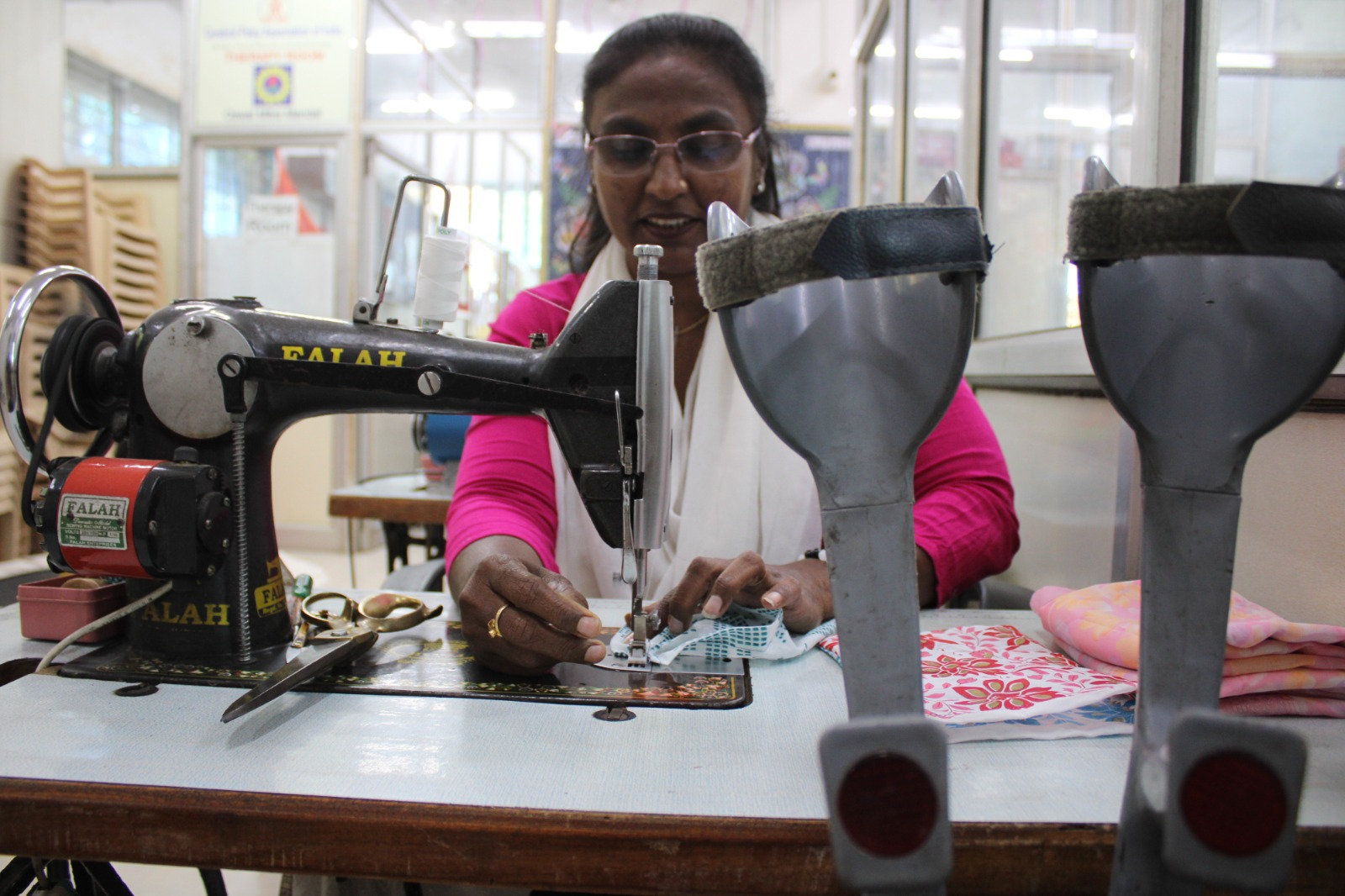
BHANU NADAR

Bhanu Nadar's journey is truly inspiring and showcases her resilience and determination in the face of challenges. As a women PDA and a single mother, she has overcome limitations and limited resources to create a better life for herself and her children. By taking the livelihood training of Super Didi at CPAI and working at the Swanama project, Bhanu has not only become self-reliant but also provides support for her children's education. This is a remarkable accomplishment, considering the additional responsibilities she carries as a single mother. Furthermore, Bhanu's passion and talent as a state-level swimmer highlight her dedication and commitment to pursuing her interests and excelling in her chosen sport.